


Downton Abbey: The Grand Finale is a fond farewell for fans but I longed for Dame Maggie Smith
- Denise Breen

- Sep 14, 2025
- 3 min read
5 out of 5
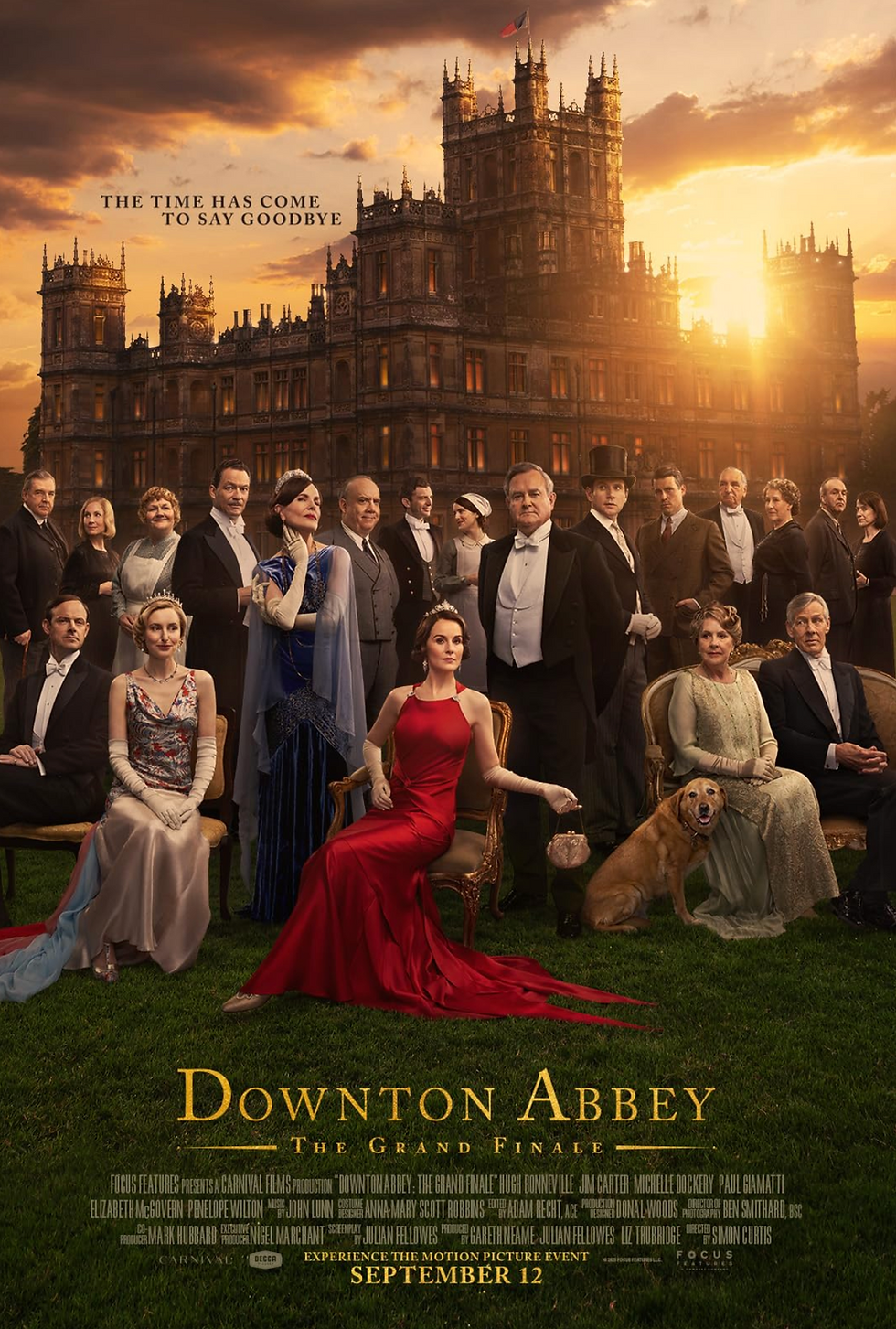
Downton Abbey: The Grand Finale is not just a film; it is a meticulously crafted, emotionally resonant, and utterly satisfying love letter to its devoted audience. In this final cinematic bow, Julian Fellowes and director Simon Curtis have orchestrated a perfect symphony of drama, romance, and humour that not only honours the rich history of the series but also provides a deeply moving and truly unforgettable conclusion for every beloved character. This is the epitome of a grand finale, a film that feels both earned and inevitable, cementing Downton Abbey's place as a cultural phenomenon. Whether you're a devotee or a casual fan, and I'm the latter, I found it an engaging social commentary that had me in tears, twice.
The film begins in 1930, immersing the story in a time when modernity starts to emerge. Robert Crawley (Hugh Bonneville) is hesitant to relinquish control of the estate. At the same time, Lady Mary (Michelle Dockery), recently divorced, finds herself torn between traditional aristocratic expectations and the future she must embrace. A significant scandal arises when Mary’s divorce is made public at a high-society event, jeopardizing both her social status and her claim to the Crawley legacy. Concurrently, external financial pressures increase, particularly from Harold Levinson (Paul Giamatti), Cora’s brother in America, whose declining fortunes cast uncertainty over Downton.

The film's greatest triumph lies in its ability to give each and every member of the sprawling cast a moment to shine. We see the final, heartfelt resolutions to long-running storylines, from the future of Downton Abbey itself to the romantic entanglements of the servants. Julian Fellowes' script, sparkling with the wit and charm we've come to expect, allows for moments of genuine laughter, but it also handles poignant goodbyes and tender new beginnings with a grace that is both elegant and deeply human. The emotional payoff is immense, and you’ll find yourself tearing up as the characters you’ve grown to love find their final, satisfying destinies. The film beautifully resolves the central relationships, allowing the audience to finally feel a sense of peace for these people they have welcomed into their homes for years. We get to witness the culmination of Lady Mary's journey from a sharp-tongued heiress to the formidable keeper of the family legacy, while Lady Edith's quiet strength finds its ultimate reward. Downstairs, the camaraderie and loyalty of the staff are on full display, providing a heartwarming sense of family that is just as compelling as the drama upstairs. The film’s focus on these deeply personal, character-driven moments is what makes it feel so comforting and familiar, like reconnecting with old friends.
Visually, the film is a feast for the eyes, but this beauty is part of its emotional appeal. Every frame is saturated with a luxurious warmth and beauty that elevates the story to cinematic heights. The sumptuous costumes, the exquisite period details, and the breathtaking cinematography of the English countryside all come together to create a world you never want to leave. The sheer scale of the production, from the bustling servants' quarters to the elegant state rooms, feels grander than ever before, befitting a film that marks the end of an era.

The central narrative, which sees the family and staff preparing for a momentous final event, serves as a brilliant vessel to bring everyone together. It’s a plot that is less about high-stakes drama and more about the quiet, powerful moments of connection and reflection. The film celebrates the enduring legacy of the Crawley family and their loyal staff, underscoring the themes of loyalty, class, and the passage of time with a delicate touch. It is a finale that respects the characters and the audience, never resorting to cheap sentimentality but instead allowing for authentic, emotional closure. This sense of closure is deeply comforting, as we are reminded that even as times change and the world moves on, the bonds of love, loyalty, and family remain constant.

Maggie Smith's absence, following the passing of her character Violet Crawley both in the storyline and in reality, is profoundly noticeable. Her absence creates a void of wit and moral grounding that the film only sporadically manages to fill. May she rest in peace.
However, in a world where many series stumble at the finish line, Downton Abbey: The Grand Finale stands as a masterclass in how to say goodbye. It is a film that will leave you with a warm heart and a sense of profound contentment. It is not only a triumph for the franchise but a magnificent achievement in its own right, a perfect swansong that will be cherished by fans for years to come.
As the film's poster procalims, "The time has come to say goodbye". Indeed.


Comments